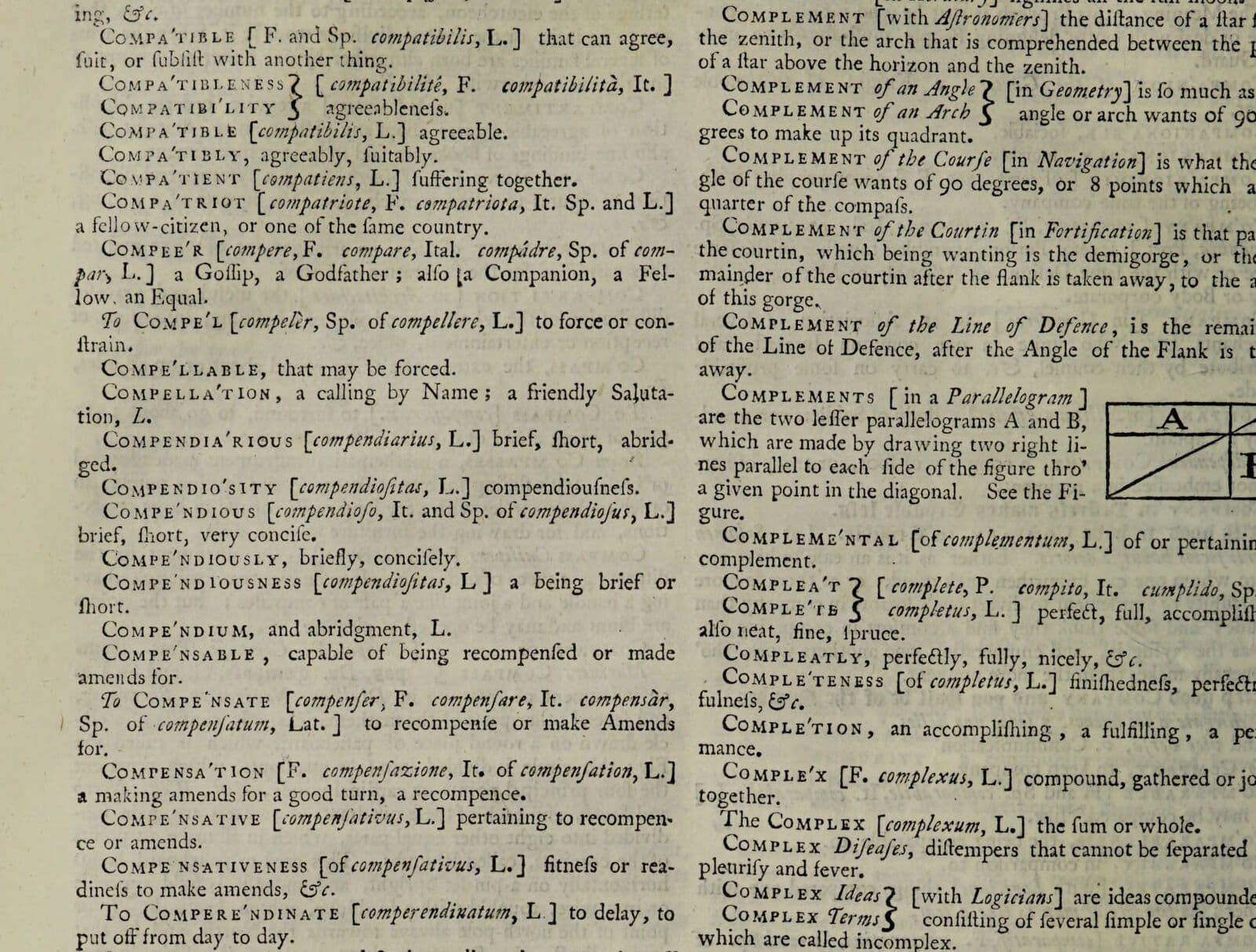
How names change across languages
John, Jean, Juan, Giovanni and Ivan are one name in many forms. Following a name between languages shows how sounds and spellings adapt.
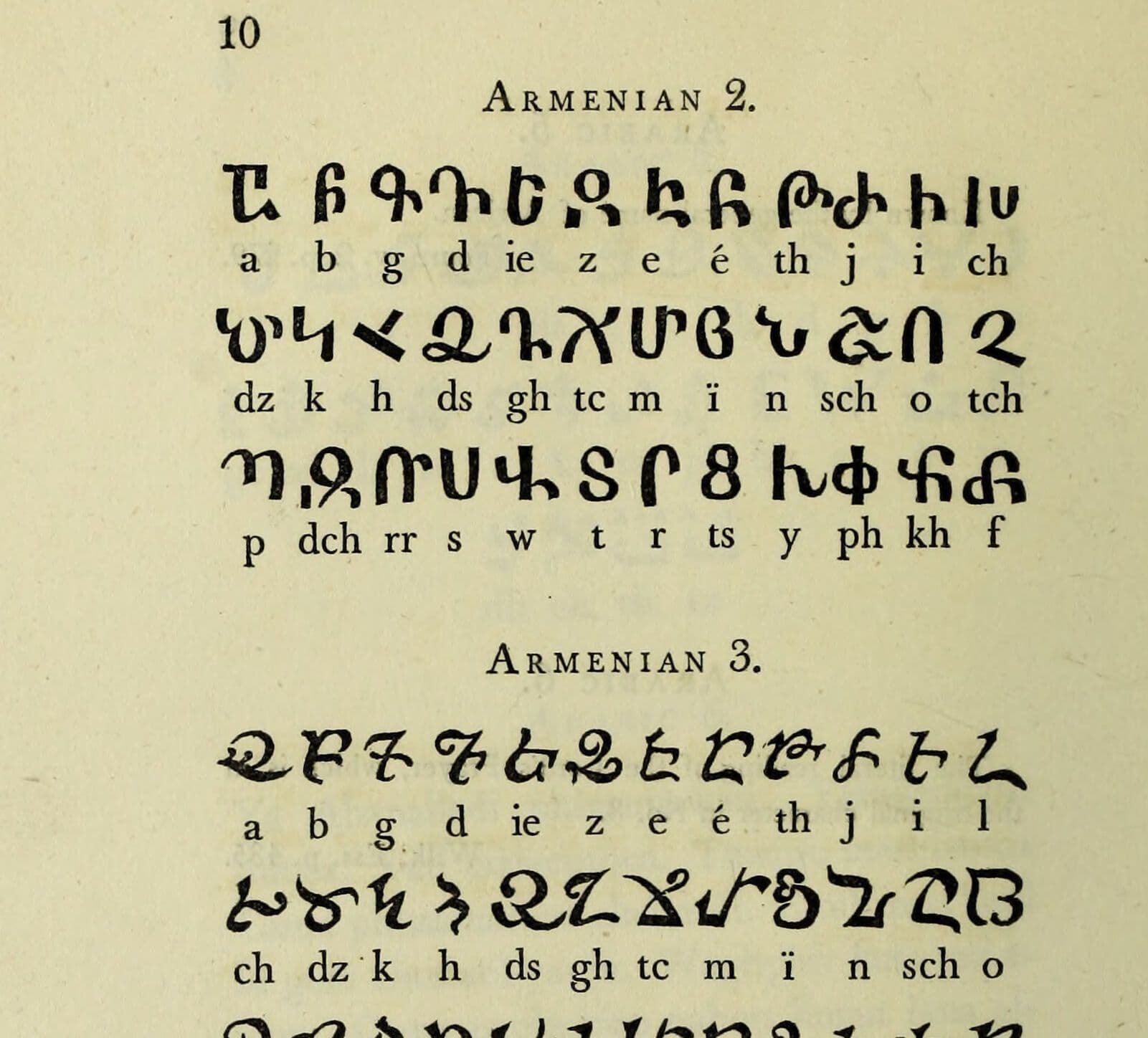
When a name moves from one language to another, it rarely arrives unchanged. Each language has its own sounds, spelling habits and endings, and a borrowed name is gradually reshaped to fit them. The result is a family of related forms that can look quite different on the page while sharing a single ancestor.
One name, many forms: John
John is one of the clearest examples. Reference works trace it to the Hebrew name Yoḥanan. It passed into Greek as Ioannes and into Latin as Iohannes, and from Latin into the languages of Europe. Its meaning is usually given along the lines of “Yahweh is gracious”; the Online Etymology Dictionary renders it as “Jehovah has favored” or “Jah is gracious”.
Along the way it took many shapes. Behind the Name lists, among others:
- Jean in French, Juan in Spanish and Giovanni in Italian
- João in Portuguese and Johann or Johannes in German
- Jan in Dutch, Polish and Czech, and János in Hungarian
- Ivan in Russian, Bulgarian and Serbian
- Seán in Irish, Ian in Scottish use and Evan in Welsh use
Some forms began as shortenings and later became names in their own right. Hans, for example, started as a German short form of Johannes and became common across German-speaking Europe from the late Middle Ages.
When the origin itself is uncertain
Not every name has a settled starting point. Mary descends from the Hebrew Miryam, which passed into Greek as Mariam or Maria and into Latin as Maria. The Online Etymology Dictionary describes Miryam as a word of unknown origin, and Behind the Name suggests it was most likely originally Egyptian. A careful reference records that uncertainty rather than choosing one attractive explanation.
Moving between writing systems
Names also travel between scripts. A name written in Arabic, Hebrew, Cyrillic, Devanagari or Chinese characters has to be converted into Latin letters before it appears in an English-language record, and there is often more than one accepted way to do it. Libraries use published schemes for this; the ALA-LC Romanization Tables, approved by the Library of Congress and the American Library Association, set out transliteration schemes for non-Roman scripts.
Because different schemes and different periods made different choices, one original name can appear in several Latin spellings. None of them is necessarily wrong; they reflect different conventions.
Reading related forms carefully
Related forms are best described precisely. A translation, a transliteration, a short form and a separately developed name are different relationships, and a good reference labels each one rather than grouping them together as simple equivalents.
Sources
The facts in this article were checked against these pages. Statements are paraphrased; see each source for its exact wording.
- Meaning, origin and history of the name John. Behind the Name. https://www.behindthename.com/name/john
- Meaning, origin and history of the name Hans. Behind the Name. https://www.behindthename.com/name/hans
- Meaning, origin and history of the name Mary. Behind the Name. https://www.behindthename.com/name/mary
- John. Online Etymology Dictionary. https://www.etymonline.com/word/John
- Mary. Online Etymology Dictionary. https://www.etymonline.com/word/Mary
- ALA-LC Romanization Tables. Library of Congress. https://www.loc.gov/catdir/cpso/roman.html