Why spellings change over time
Before spelling was standardised, even famous names were written in several ways. Later, records, migration and personal choice produced new variants.
Many families find their surname written in different ways in old records, and many given names exist in several spellings today. This is not usually the result of a single mistake. Spelling itself has a history, and names have been shaped by it.
Before spelling was fixed
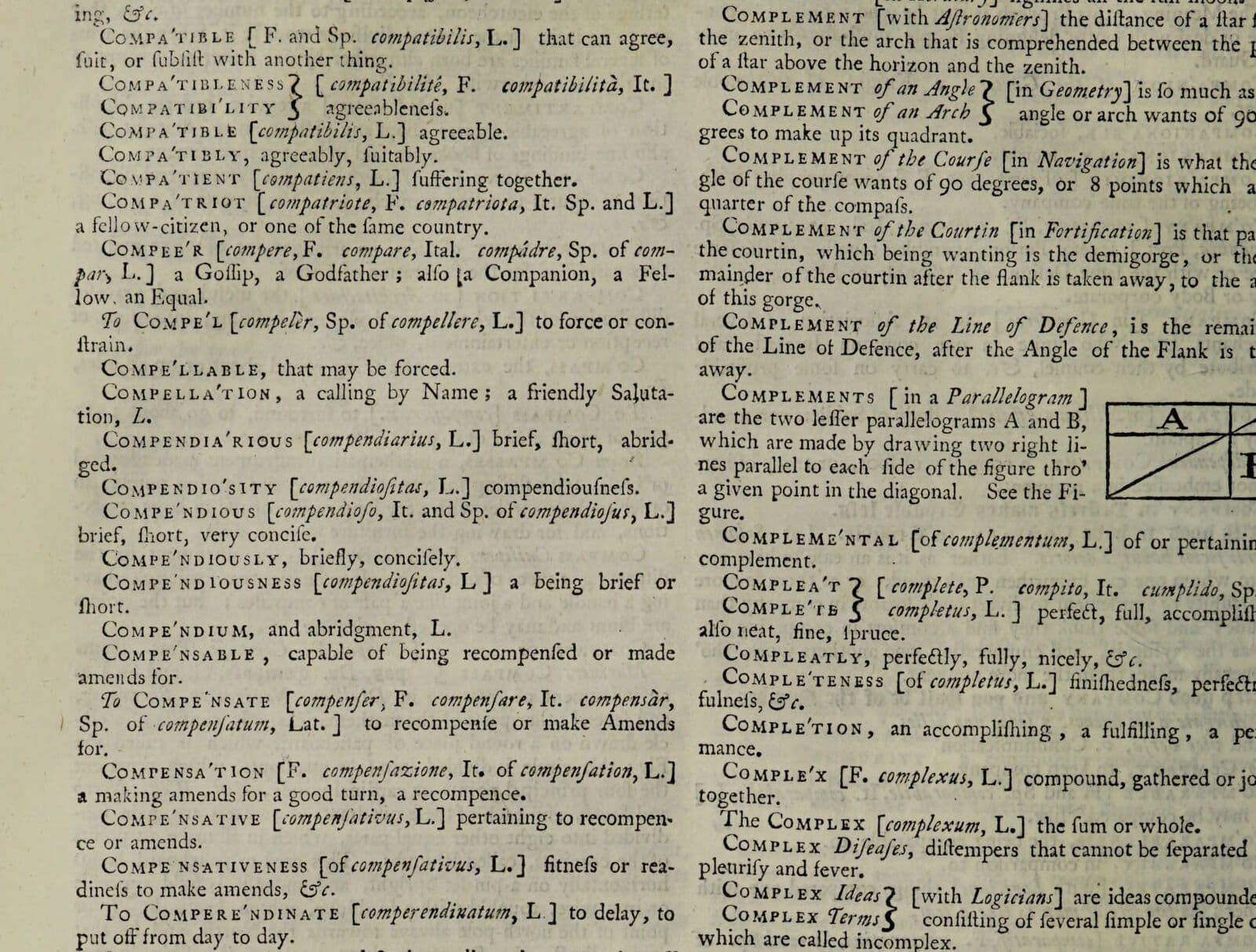
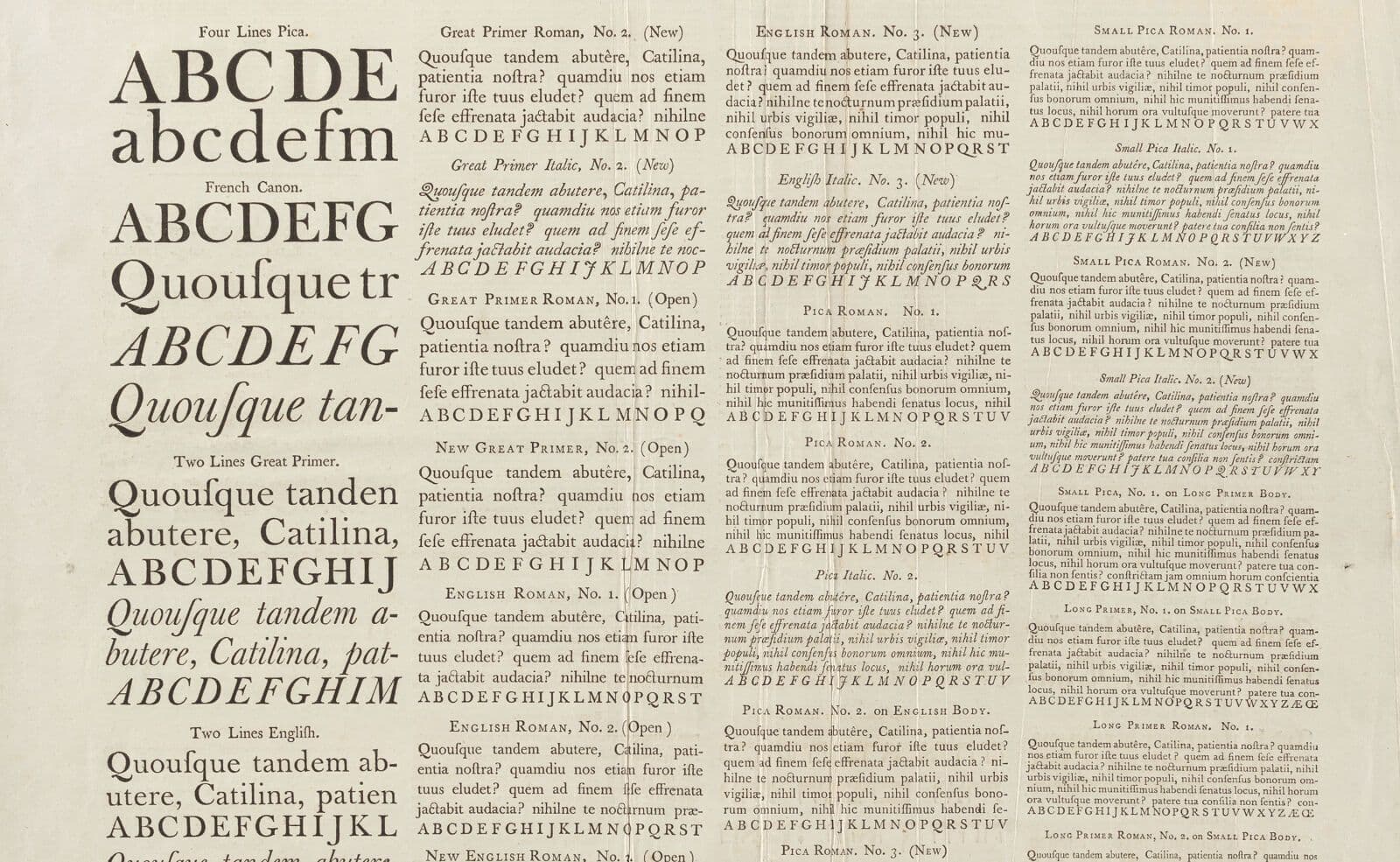
English spelling was not always standardised. Writing in History Today, Stan Carey describes how people once wrote as they spoke, so that differences in dialect produced differences on the page, and how English stayed varied even after printing arrived. Samuel Johnson’s dictionary, published in 1755, became a landmark, but Britannica notes that Johnson himself recognised that languages keep changing rather than following fixed rules.
Names were no exception. The Shakespeare Birthplace Trust notes that only six signatures of William Shakespeare are known, all on legal documents, and that they differ in handwriting and even in the spelling of the name, because there was then no set way to spell words. The Folger Shakespeare Library observes that he appears to have varied his signature rather than repeat it mechanically, as some other literate men of his time did.
Records and the people who wrote them
For most of history, names were written down by clerks, clergy and officials, often from the spoken word. Each writer chose a spelling, so the same person could appear differently in different records.
The Ellis Island myth
A popular story holds that immigration officers at Ellis Island changed people’s names on arrival in the United States. The evidence does not support it. The USCIS History Office explains that passenger lists were not created at Ellis Island but abroad, when immigrants bought their tickets, and that inspectors were instructed not to change a name unless the immigrant asked or the original information was shown to be wrong.
The New York Public Library adds that inspectors checked arriving passengers against the ship’s list rather than creating new records, and that immigrants more commonly changed their names themselves after arrival. USCIS also notes that teachers, employers and others often wrote names down without asking how they were spelled.
Variation is part of a name’s history
Spelling variants can come from sound, from local habits, from the conventions of a particular record-keeper, or from a deliberate choice by the person or family. Today, major official name statistics, such as those for the United States and for England and Wales, count each spelling separately, which is one reason variants remain visible. A different spelling is often best understood as part of a name’s history rather than as an error.
Sources
The facts in this article were checked against these pages. Statements are paraphrased; see each source for its exact wording.
- A Brief History of English Spelling Reform. History Today. https://www.historytoday.com/brief-history-english-spelling-reform
- Samuel Johnson: The Dictionary. Encyclopaedia Britannica. https://www.britannica.com/biography/Samuel-Johnson/The-Dictionary
- Shakespeare’s Signature. Shakespeare Birthplace Trust. https://media.shakespeare.org.uk/documents/Shakespeare_s_Signature.pdf
- William Shakespeare’s last will and testament: original copy including three signatures. Folger Shakespeare Library, Shakespeare Documented. https://shakespearedocumented.folger.edu/resource/document/william-shakespeares-last-will-and-testament-original-copy-including-three
- Immigrant Name Changes. US Citizenship and Immigration Services, History Office. https://www.uscis.gov/records/genealogy/genealogy-notebook/immigrant-name-changes
- Why Your Family Name Was Not Changed at Ellis Island (and One That Was). New York Public Library. https://www.nypl.org/blog/2013/07/02/name-changes-ellis-island
- Background information for popular names. US Social Security Administration. https://www.ssa.gov/oact/babynames/background.html